


Frumtök calls for balanced measures to strengthen medicines security in Iceland
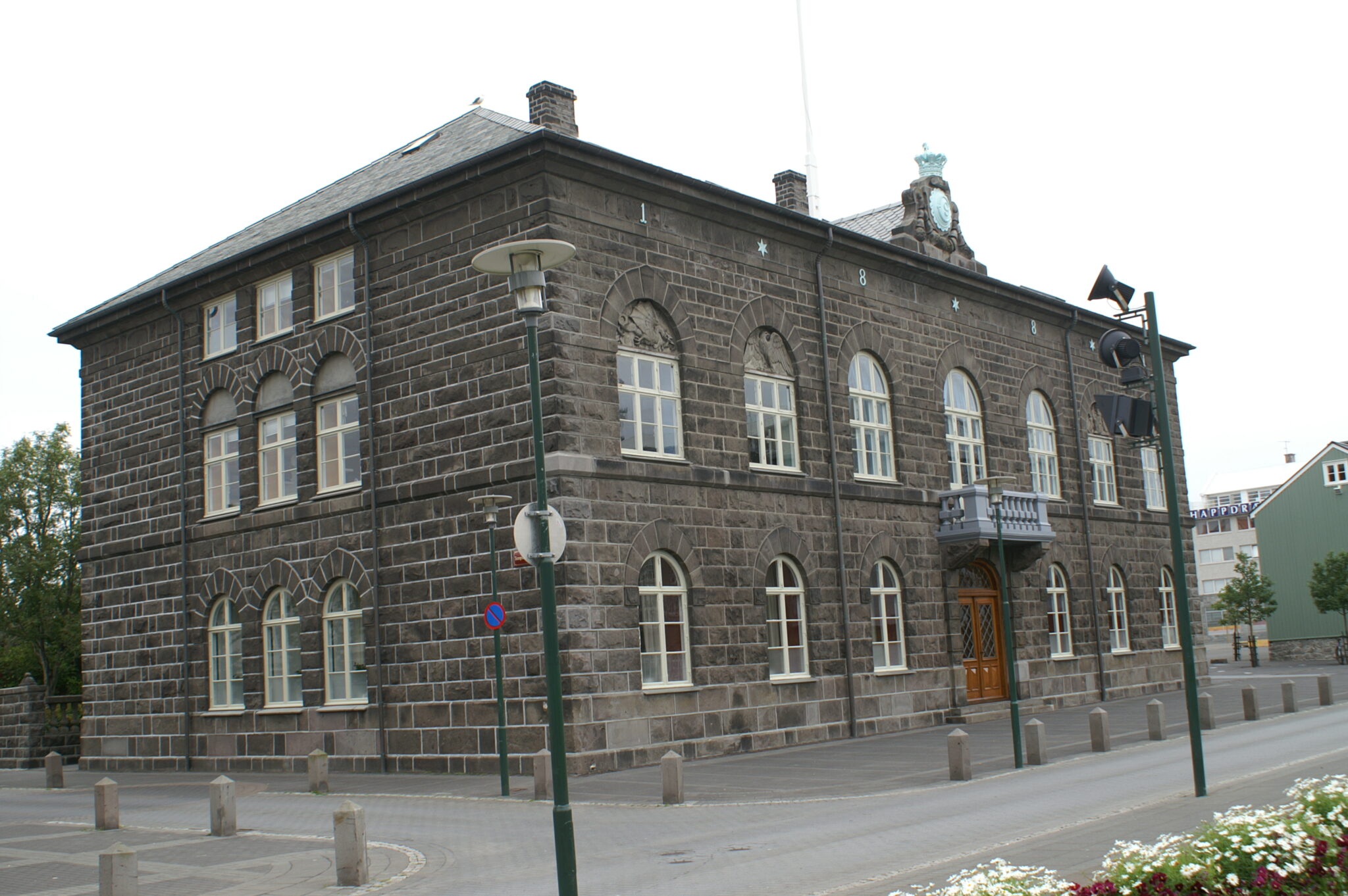
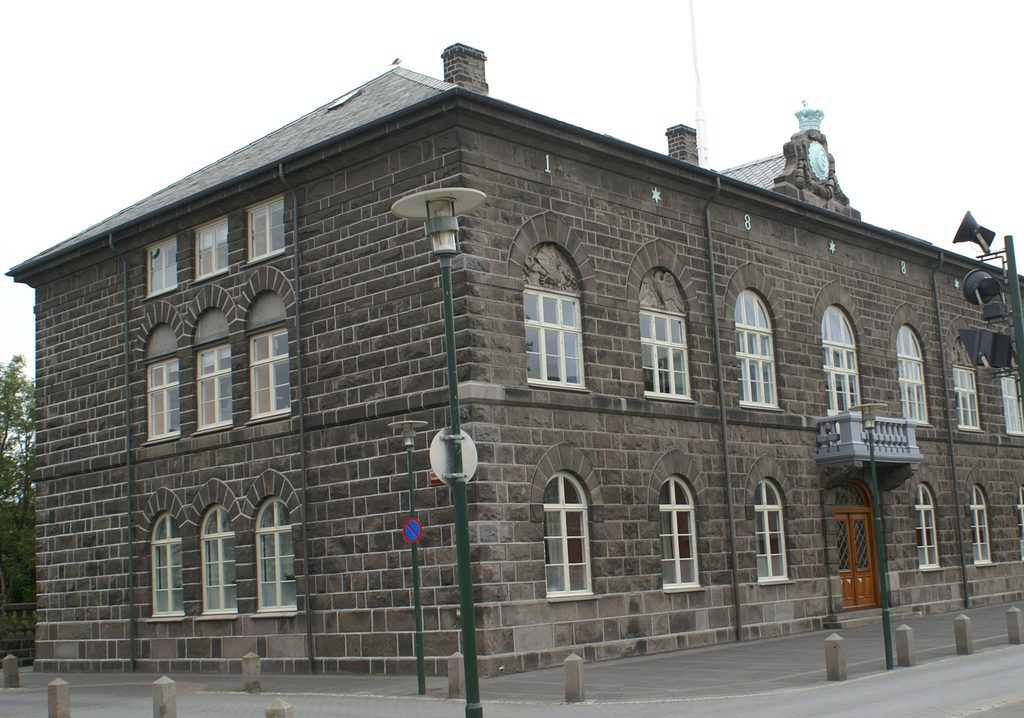
Frumtök has submitted its comments to the Welfare Committee of the Icelandic Parliament on proposed amendments to pharmaceutical legislation aimed at strengthening Iceland’s response to medicine shortages.
Frumtök strongly supports the objective of improving medicines security but stresses that new obligations must not inadvertently make Iceland a less attractive market for pharmaceutical companies. Iceland is a micro-market, where small patient populations, high fixed costs and low regulated prices already make the marketing of medicines challenging.
A key concern is the proposal allowing marketing authorisation holders and their wholesale distributors to be required to maintain up to eight weeks of stocks of certain critical medicines without compensation. Frumtök argues that such requirements must be proportionate, clearly defined and comparable to those in neighbouring Nordic countries. The organisation also calls for the costs associated with mandatory stocks, including storage, expiry and disposal, to be adequately addressed.
Frumtök further emphasises that strengthening medicines security must go hand in hand with measures that improve the conditions for bringing medicines to the Icelandic market. In particular, the organisation urges the government to implement the previously announced move towards using average Nordic prices rather than the lowest Nordic price when determining prices for licensed medicines in Iceland.
Frumtök also welcomes several elements of the bill, including clearer provisions on the role of the Medicines Council and improved rules on communicating medicine safety information to healthcare professionals. At the same time, it stresses the importance of ensuring that the transfer of pricing and reimbursement responsibilities to Iceland Health is implemented without creating delays or reducing patients’ access to treatment.
“The goal must be to strengthen medicines security without introducing requirements that could ultimately reduce the availability of medicines in Iceland. New obligations should therefore be accompanied by measures that make the Icelandic market more accessible and sustainable,” Frumtök states in its submission.